
Have you ever wondered how your cookware withstands the extreme heat it is subjected to in the kitchen? The answer lies with one of its essential ingredients: lithium.
In 1953, Stanley Donald Stookey, a research chemist working for the North American glass company Corning Inc, made a chance discovery. He heated lithium containing photosensitive glass to over 482°C (900°F) by mistake. Dr Stookey’s eureka moment came when he took the glass (which had turned a milky white) from the hot furnace with a pair of tongs and accidentally dropped the glass. The glass survived both the heat and the fall. The combination of his error and clumsiness led to the realisation that adding lithium to glass reduces thermal expansion thereby allowing glass to be used in extreme temperature variations without cracking. Dr Stookey’s discovery led to the 1958 launch of the CorningWare kitchenware range. Like other heat-resistant products, it is widely used today in kitchens around the world making it possible to take food straight from the freezer to the oven.
Many applications
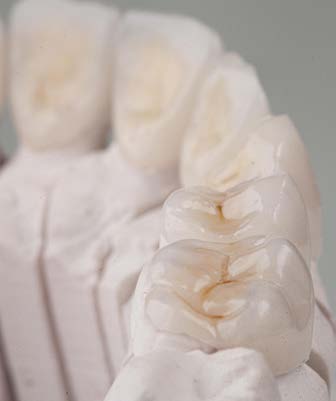
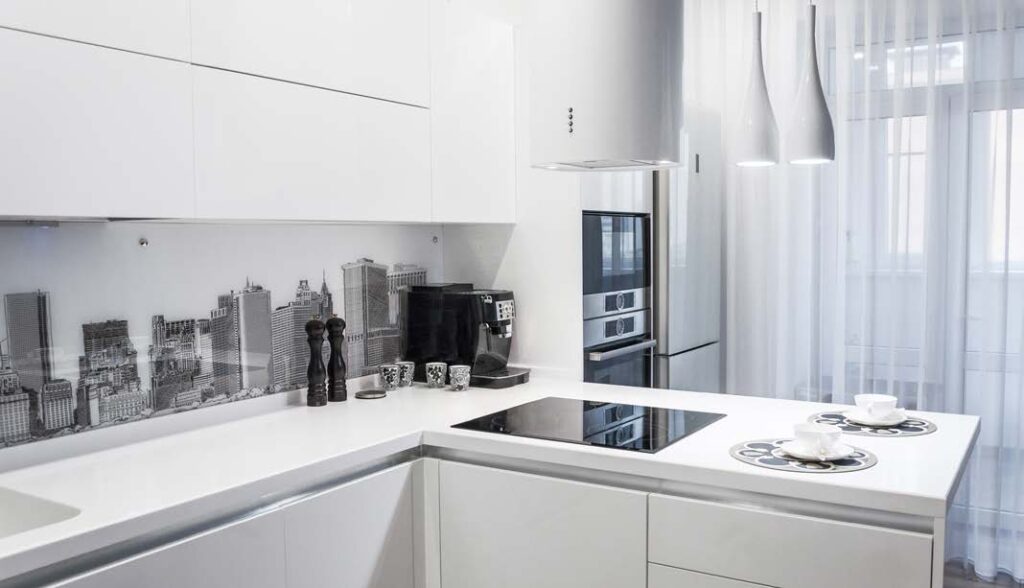
Lithium-strengthened glass and ceramics have become essential to the convenience modern life demands. Lithium and its compounds are now key to the manufacture of glass-ceramic cooktops, stove windows, tough glass, fibreglass, ceramic frits and ceramic dentures. These combined markets represent the second largest use for lithium after lithium-ion batteries, accounting for an estimated 5% of the market in 2021, down from 12% in 2011.
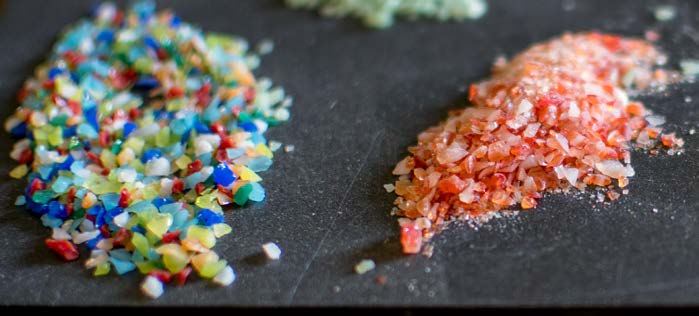
Heat-resistant glass ceramics are created by adding large amounts of lithium to the glass formulation. Lithium fluxes are used in the manufacture of ceramic glazes to coat ceramic bodies, in porcelain enamels to coat white goods, water heaters, grills, flue pipes and architectural panels and in sanitaryware, tableware, cookware and many other types of ceramic ware. [Note to non-engineers: a flux is a substance that lowers the melting temperature of another substance.]

The addition of lithium during the glass and glass ceramics manufacturing process brings many benefits. It lowers the firing (melting) temperature and reduces thermal expansion, which increases the strength of the final product and improves its colour, strength and lustre. The lower firing temperature translates into lower energy input, reduced emissions output and higher throughput.
Lithium adds durability, strength and beauty
The Colorobbia Group’s R&D department told The Lithium Voice that Colorobbia “uses lithium to enhance the reactivity of the enamel to achieve coatings with robust adherence to steel and to give chemical and physical resistance to acid, alkalis, water-steam corrosion, thermal shock and fish scaling. Furthermore, lithium provides excellent electrostatic properties, fundamental for powder electrostatic applications.”
Other glass products that are enhanced by lithium include container glass, flat glass, pharmaceutical glass, speciality glass (used in touch screens), and fibreglass. Adding lithium lowers the viscosity and melt temperature resulting in higher output, energy savings, increased chemical resistance and moulding benefits.
The strength imparted to glass by lithium is demonstrated by the fact that it is used to make bulletproof military glass for helicopters and fighter jets.
Lustre and strength are important in high-end luxury markets. Adding lithium to the glass used to manufacture perfume bottles allows designers to mould their products into intricate and fanciful shapes that are tough enough to withstand being handled daily. Likewise, some smartphones use a thin but tough glass containing lithium in their touchscreens – giving the element an additional role in mobile phones on top of the more familiar battery component.
The power-storage capability of lithium allows us to take gadgets like phones, laptops and power tools with us wherever we go, but lithium’s other properties also help create convenience, safety and beauty in your home and workplace